Ruins With Parking: The New American Pilgrimage to Places That Already Failed
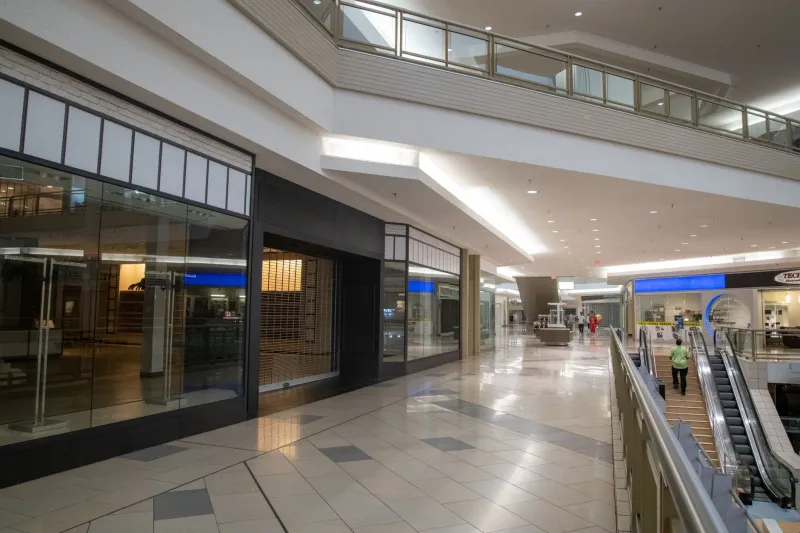
The Rolling Acres Mall in Akron, Ohio has been closed since 2008. The skylights are broken. The anchor stores are gutted. Pigeons have colonized what used to be a Sears. And on any given weekend, there are people in the parking lot with camera equipment, getting the shot.
Not journalists. Not urban explorers in any traditional sense. Just people — millennials, Gen Z, the occasional curious parent — who drove here specifically because the mall is dying, and they wanted to be there for it.
This is the new American road trip. And we need to talk about it.
The Aesthetic of Abandonment
Let's be honest about what's happening on a surface level first, because the surface level is genuinely interesting before you even get to the uncomfortable subtext.
Abandoned commercial spaces photograph beautifully. There's something about the combination of scale, decay, and residual familiarity — the food court tables still arranged as if customers might return, the mall directory still listing stores that closed a decade ago — that produces images with real emotional weight. The light through a broken skylight hitting a dried-up fountain. The faded brand logo on a storefront that's been empty since the Obama administration. These images circulate on Instagram, TikTok, and YouTube with millions of views. They've spawned entire content genres: mall walk videos, dead retail tours, "I visited the saddest mall in America" thumbnails with millions of clicks.
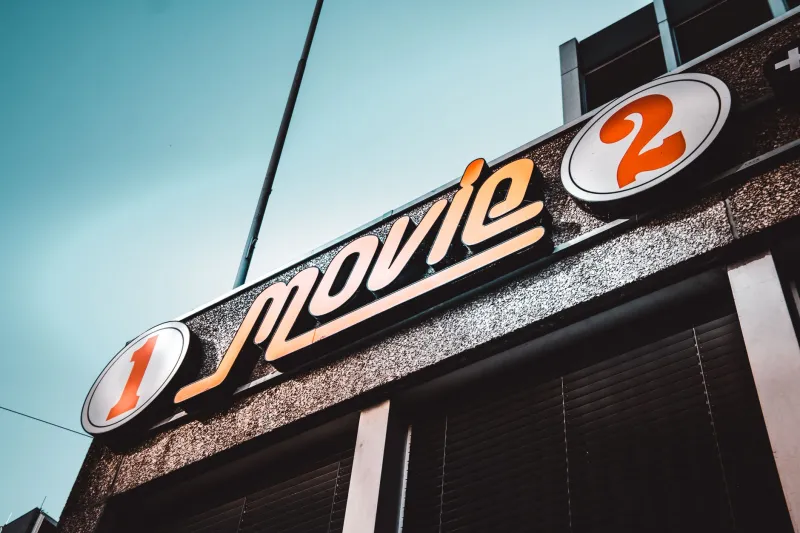
The Last Blockbuster in Bend, Oregon is perhaps the most famous example of this phenomenon — a single surviving franchise location that has become, genuinely, a tourist destination. People drive hours to rent a movie from it. They buy the merch. They take the photo. The store has leaned into it completely, which is either savvy or poignant depending on your read.
But Bend's Blockbuster is at least still operational. The more revealing trend is the pilgrimage to places that have nothing left to offer except the fact of their failure.
Nostalgia Isn't What It Used to Be
Here's where it gets psychologically weird: most of the people visiting these dead malls didn't have a meaningful personal connection to them. Rolling Acres wasn't their mall. The abandoned Six Flags outside New Orleans — flooded by Katrina, never reopened, now a genuinely eerie stretch of rusting roller coasters — wasn't their childhood theme park.
What they're mourning isn't a specific memory. It's the idea of the thing. The cultural archetype of the mall, the theme park, the big-box strip that meant Saturday afternoons and Orange Julius and the particular freedom of being a kid in a commercial space designed to feel like a destination.
This is nostalgia for a vibe, not an event. And it's a distinctly generational phenomenon.
Millennials grew up watching the infrastructure of their childhood get systematically dismantled by economic forces they didn't choose and couldn't stop. The mall wasn't just a place to buy things — it was a social institution, a third space, the closest thing suburban America had to a town square. Its death wasn't just economic. It felt like the deletion of a shared cultural hard drive.
Gen Z, who came up in the aftermath, absorbed the mythology secondhand. For them, visiting a dead mall isn't revisiting a memory — it's visiting the ruins of a mythology they were handed but never got to inhabit. That might actually be more poignant.
The Content Economy of Collapse
Let's not be naive about the other engine running this trend: these places are incredible content.
A dead mall video doesn't require a script or a production budget. The environment does the work. The emotional texture is already there — the scale, the emptiness, the ambient sadness of a space designed for crowds that will never come. Point a decent camera at it and you've got something that'll hold an audience for twelve minutes without trying.
The creator economy has colonized grief in a lot of uncomfortable ways, but the dead retail genre is one of the more interesting cases because the grief feels genuine even when the content is clearly monetized. The creators who do this well aren't being cynical. They're processing something real through the tools available to them, and their audiences are processing it alongside them.
There's a whole ecosystem here: the YouTube channel that's visited 200 dead malls across 40 states. The Instagram account dedicated exclusively to abandoned theme parks. The TikTok series where someone does a full walkthrough of a ghost-town strip mall in the Rust Belt, narrating it like a nature documentary. These aren't ironic. They're elegiac.
Capitalism's Retreat as Aesthetic Experience
Here's the uncomfortable thing I keep coming back to: we are making tourism out of economic devastation that real people actually lived through.
The mall that closed put people out of work. The abandoned theme park was someone's livelihood. The shuttered Kmart in a small Ohio town was the only place within 30 miles to buy certain things, and its closure was a genuine quality-of-life loss for people who couldn't just order it online. The ruins are picturesque. The human cost that created them is not.
The pilgrims who visit these spaces aren't bad people. Most of them are genuinely thoughtful about what they're witnessing. But there's a tension in the act of aestheticizing failure that doesn't fully resolve. We are, in some sense, making the scene of capitalism's retreat into a destination — finding beauty in the wreckage, building content around the wound.
Is that processing? Is it witnessing? Is it something more uncomfortable?
Maybe all three simultaneously. The zero century doesn't tend to offer clean answers.
The Permanence of Impermanence
What strikes me most about this trend, in the end, is what it reveals about our relationship with physical space in a digital era.
We've been told for two decades that place doesn't matter anymore. That the internet made geography irrelevant. That the mall was obsolete because Amazon exists. And yet here we are, driving three hours to stand in a parking lot outside a building that commerce abandoned, taking photos, feeling something.
Place still matters. Ruin still matters. The physical evidence of how we chose to organize our collective life — and what we chose to abandon — still matters in a way that no amount of digital convenience seems to fully replace.
The dead mall is a monument to a set of choices: about retail, about suburban development, about what a community center should look like and who should fund it. Visiting it is, in some oblique way, a reckoning with those choices.
The parking lot is still free. The feelings will cost you.